
ISO 9001 Certified
TS 16949
Genuine SKF
Need Technical Advice?
Reply within 12 hours · 15+ certified engineers on call
Sliding Block Guide
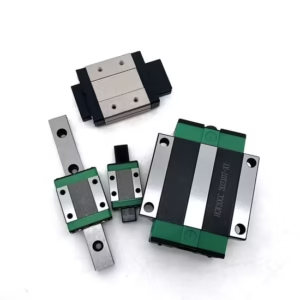
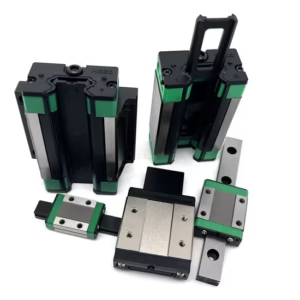
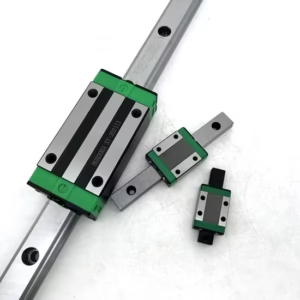
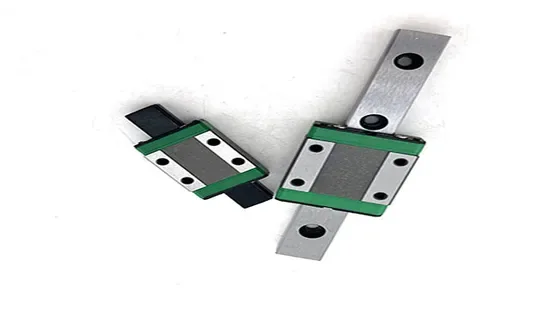
Micro Linear Guide Sliding Block MGW MGN TBR Series for Automation
Micro Linear Guide Sliding Block for High-Speed Automation — solid profile bearing steel construction with polished surface and high corrosion resistance, CE certified for light-load applications.
- Ideal for electronics and medical equipment requiring precise motion under continuous operation.
- Single-row design ensures reliable performance in clean environments.
- Every unit ships with complete original factory batch traceability to guarantee material authenticity and consistent assembly quality.
7
Day Prototype
vs. 8-12 wks standard
50+
Countries Served
Global logistics network
12h
Quote Response
Expert engineers on call
Typical Applications
Wind Power
Mining
Steel & Metallurgy
Automotive / EV
Rail Transit
Precision Machinery
Genuine SKF Bearings
NDA Protected
Free Sample for Orders > $50K
Global Shipping
Product Details
Unified Sourcing Coverage — Consolidate mixed-brand automation components into a single shipment without juggling multiple vendors for your linear motion systems.
Technical Specifications
| Parameter | Value |
|---|---|
| Product Type | Micro Linear Guide Sliding Block |
| Carrying Capacity | Light Level |
| Corrosion Resistance | High Corrosion Resistance |
| Length Options | Standard or Customized |
| Material Options | Bearing Steel or Others |
| Profile Type | Solid Profile |
| Surface Treatment | Polished |
| Rows Number | Single |
| Lubrication | Grease or Oil |
| Feature | High Speed |
| Certification | CE |
| Origin | Shandong, China |
Application Suitability
| Industry | Typical Applications |
|---|---|
| Electronics Manufacturing | Pick-and-place machine linear axes, PCB optical inspection stages |
| Medical Equipment | Laboratory automation liquid handlers, imaging system positioning beds |
| Food Processing | Washdown environments for packaging conveyors, automated sorting mechanisms |
| Industrial Automation | Lightweight robotic arm joints, desktop 3D printer motion systems |
Why Micro Linear Guide Sliding Block Supplier Selection Dictates Machine Uptime
Precision alignment and material integrity prevent premature carriage failure.
I have seen procurement teams in Dongguan source cheap linear guides that ran smoothly for two months before developing severe chatter and stuttering. Upon teardown, the retaining cages were visibly deformed from uneven load distribution. Cross-reference errors often match the basic outer dimensions while entirely overlooking the internal ball circuit design and preload class. This oversight leads to thermal binding or cage fracture right on the production floor [NEED_CITE: linear motion failure modes in precision automation]. Choosing a reliable micro linear guide sliding block supplier ensures that every carriage matches the exact rigidity and friction requirements of your automated machinery, eliminating costly field rework.
Matching Material Options to Automation Environments
Selecting the correct material variant is critical for long-term reliability. While standard bearing steel provides excellent rigidity for general industrial automation, alternative options like martensitic stainless grades are available for environments demanding high corrosion resistance. In food processing or medical device manufacturing, where frequent washdowns or strict hygiene protocols are mandatory, these specialized materials prevent surface degradation. The solid profile design combined with a polished surface treatment further reduces particulate generation, keeping cleanrooms and sensitive electronic assembly zones free from metallic dust.
Navigating High-Speed and Light-Load Dynamics
High-speed traversing under light loads introduces unique tribological challenges. At elevated velocities, the single-row ball circuit must maintain consistent contact without generating excessive frictional heat. The choice between grease or oil lubrication directly impacts this thermal balance; oil minimizes drag for ultra-high-speed applications, while grease offers longer maintenance intervals for enclosed modules. Furthermore, exposure to ambient moisture or chemical cleaning agents necessitates robust surface treatments to prevent raceway pitting, which would otherwise destroy the smooth motion profile required for precise positioning [NEED_CITE: tribological effects of lubrication in high-speed linear guides].
Decoding Profile and Carriage Architecture
The solid profile architecture provides a rigid foundation that resists deflection under moment loads, a common issue in cantilevered automation arms. Unlike hollow or extruded alternatives, the solid base ensures that the ground raceways maintain their geometric accuracy over years of continuous cycling. The polished surface treatment is not merely cosmetic; it drastically reduces the coefficient of friction between the carriage and the rail, allowing the high-speed feature to perform without premature wear. Customizable length options ensure that the carriage footprint perfectly aligns with the mounting plate, distributing the load evenly across all rolling elements.
The Hidden Costs of Dimensional Mismatches
Substituting a carriage based solely on basic width and height measurements often results in catastrophic assembly interference. Even if the external dimensions align, variations in the internal ball retainer design or preload settings will cause immediate binding when mated with the original rail. This mismatch generates localized stress concentrations that rapidly degrade the rolling elements. According to industry failure analysis frameworks, such installation errors lead to unplanned downtime and voided equipment warranties [NEED_CITE: mechanical failure classification per ISO 15243]. The resulting production delays far exceed the initial savings of an incorrectly specified component.
Securing Technical Alignment for Your Motion Systems
Our engineering review process goes beyond simple part number matching. We verify that the selected carriage variant aligns with your specific dynamic load and speed parameters, preventing the common pitfall of installing a standard clearance block in a high-speed application where thermal expansion demands a different internal geometry. We provide comprehensive cross-referencing against equivalent market series, ensuring that the internal ball circuit and preload class are perfectly preserved. Every shipment includes full batch traceability, allowing your maintenance team to reorder identical specifications years later without guessing the original factory configuration.
Documentation & Authenticity
- Certificate of Conformity validating CE standards for automated medical and electronic equipment export.
- Batch and lot traceability linking each solid profile carriage to its specific production run.
- Material test reports confirming high corrosion resistance properties for washdown environments.
- Dimensional and running accuracy inspection reports verifying smooth high-speed traversal before dispatch.
- Country-of-origin documentation facilitating seamless customs clearance for global automation projects.
Storage, Handling & Mounting Protocols
- Retain original vacuum packaging until installation to protect the polished surface treatment from ambient humidity.
- Use lint-free cleanroom gloves when handling blocks for medical equipment to prevent skin oil contamination.
- Apply specified grease or oil lubrication immediately if the carriage is exposed to open-air staging areas.
- Avoid carbon steel tools during mounting to prevent cross-contamination on high corrosion resistance variants.
- Verify rail mating surfaces for flatness to prevent binding the single-row ball circuit under light loads.
Initiating Your Technical Review
To ensure optimal performance, please provide your equipment model, available mounting space, and specific dynamic load requirements. Detailing the operational environment, including exposure to moisture or particulates, allows our engineering team to recommend the precise material and lubrication configuration. This technical alignment guarantees that the selected components will integrate flawlessly into your automation architecture.
Frequently Asked Questions
Q: How do I determine the exact micro block model for my automation equipment?
A: Provide your equipment model, available mounting space, dynamic load, and operational speed. Our engineering team analyzes these parameters to select the precise carriage variant, ensuring the internal ball circuit and preload class perfectly match your original rail, avoiding costly installation interference and premature wear.
Q: Which material and surface treatment should I choose for food processing environments?
A: For environments requiring frequent washdowns, we recommend variants offering high corrosion resistance, such as specialized stainless options. Combined with our polished surface treatment, these materials prevent surface degradation and particulate generation, ensuring compliance with strict hygiene protocols while maintaining smooth, high-speed linear motion.
Q: How do you ensure internal design consistency when cross-referencing alternative models?
A: We do not merely match external dimensions. Our technical review verifies that the internal rolling element arrangement, preload class, and clearance specifications align perfectly with your existing rail. This rigorous cross-referencing prevents thermal binding and cage failure that typically occur when only basic outer dimensions are considered.
Q: What is the process for ordering customized length carriages?
A: Share your specific mounting plate dimensions and load distribution requirements. Our engineering team will define the optimal custom length to ensure even load sharing across the single-row circuit. We will then provide a technical drawing for approval, followed by a clear lead time for manufacturing the solid profile carriage to your exact specifications.
Q: How should I manage lubrication for high-speed micro linear applications?
A: The choice between grease and oil depends on your speed and maintenance access. Oil minimizes drag for ultra-high-speed continuous cycling, while grease provides longer intervals for enclosed modules. We pre-configure the lubrication based on your operational profile and provide detailed re-lubrication schedules to prevent raceway scoring.
Product Summary
- Product Name
- Micro Linear Guide Sliding Block MGW MGN TBR Series for Automation
- Category
- Sliding Block Guide
- Brand
- SKF
- Certification
- ISO 9001 · TS 16949
- Lead Time
- 7 Working Days
Get a Custom Quote
Our engineers will respond within 12 hours with a tailored solution.
Request QuoteGeneral Specifications
| Bearing Type | Sliding Block Guide |
| Brand | SKF |
| Quality Standard | ISO 9001 / TS 16949 |
| Precision Grade | P0 / P5 / P6 (custom) |
| Material | Chrome Steel / Stainless |
| Cage Material | Steel / Brass / Polyamide |
| Lubrication | Grease / Oil (specify) |
| Operating Temp. | -40°C to +200°C |
| Min. Order Qty | 1 pc (samples available) |
| Prototype Lead Time | 7 Working Days |
Performance Parameters
| Load Capacity | Contact for C0/Cr values |
| Speed Rating | Contact for ndm limit |
| Vibration Level | Z1 / Z2 / Z3 (custom) |
| Noise Level | V1 / V2 / V3 (custom) |
| Fatigue Life | L10h per ISO 281 |
| Sealing Options | Open / Z / 2Z / RS / 2RS |
Custom Specifications Available
Our engineering team can modify bearing dimensions, materials, seals, and clearances to meet your specific operating requirements. Submit your drawing or spec sheet for a tailored proposal.
Wind Power
Main shaft bearings, gearbox bearings, and generator bearings for onshore and offshore wind turbines.
Mining & Quarrying
Heavy-duty bearings for crushers, conveyors, and rotary equipment in extreme dust and shock-load environments.
Steel & Metallurgy
High-temperature bearings for rolling mills, continuous casting, and furnace applications.
Automotive / EV
Wheel hub bearings, transmission bearings, and e-motor bearings for passenger and commercial vehicles.
Rail Transit
Axle box bearings, traction motor bearings, and gearbox bearings meeting EN/UIC railway standards.
Precision Machinery
High-precision spindle bearings, angular contact bearings, and super-precision bearings for CNC and robotics.
Application Design
EngineeringOur engineers analyze your operating conditions -- load, speed, temperature, environment -- and select or design the optimal bearing solution to maximize service life and reduce total cost of ownership.
Custom Modification
7-Day TurnaroundNeed non-standard dimensions, special materials, or modified clearances? We can modify standard SKF bearings or manufacture fully custom solutions with a 7-day prototype turnaround.
Failure Analysis
DiagnosticsWhen bearings fail prematurely, our team conducts root-cause analysis using advanced diagnostic tools to identify the failure mode and recommend corrective action.
Predictive Maintenance
Up to 40% Less DowntimeWe deploy vibration monitoring, thermal imaging, and oil analysis programs that detect bearing deterioration early -- reducing unplanned downtime by up to 40%.
On-site Installation
Global CoverageProper installation is critical to bearing performance. Our certified technicians provide on-site installation support, alignment verification, and operator training worldwide.
Lifecycle Support
Enterprise SLAFrom initial selection through end-of-life, our dedicated account managers provide scheduled maintenance plans, re-lubrication programs, and replacement forecasting for enterprise clients.
Why SKF China
The engineering partner advantage
7 Days
Prototype Lead Time
vs. 8-12 weeks via standard channels
15+
Certified Engineers
SKF-certified, on-call for your project
50+
Countries Delivered
Reliable global logistics network
Request a Quote
Get a custom quote for
Micro Linear Guide Sliding Block MGW MGN TBR Series for Automation
NDA protected · Free samples for orders > $50K · Reply within 12 hours
Related Products
More Sliding Block Guide Products