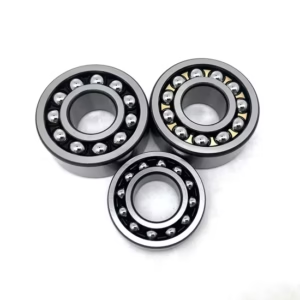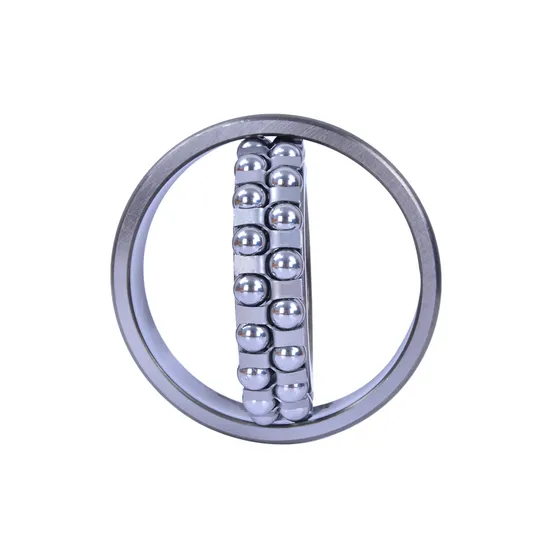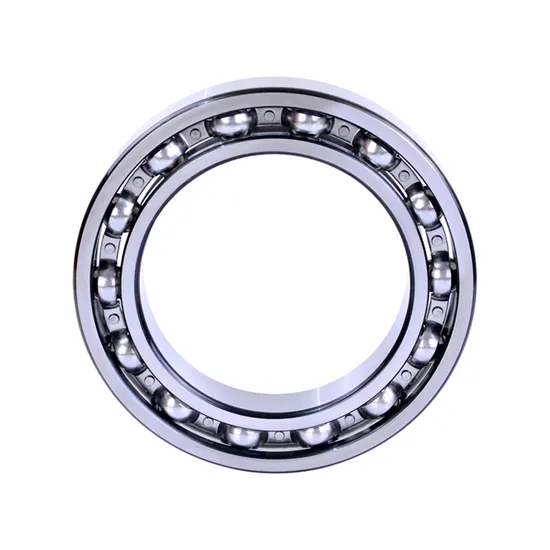
Self-Aligning Ball Bearing
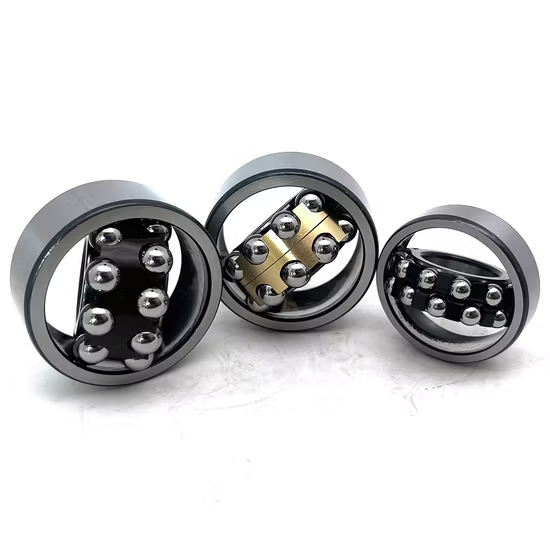
X&S 2314 Self-Aligning Ball Bearing — available in multiple suffix configurations to match exact operational requirements.
Secure your procurement with full original factory batch traceability for every delivered unit.
Batch Traceability Assured — Every X&S 2314 self-aligning ball bearing shipment includes verifiable lot documentation directly linked to the manufacturer’s production records.
| Parameter | Value |
|---|---|
| Designation | 2314 2314TN 2314K 2314KTN 2314-2RS 2314M 2312 |
| Bearing Type | Self-Aligning Ball Bearing |
| Material | Chrome Steel |
| Hardness | HRC58-62 [NEED_CITE: standard hardness range for through-hardened bearing rings] |
| Cage Material | Steel Cage, Brass Cage, Nylon Cage |
| Limiting Speed | 5600-18000 r/Min |
| Vibration Level | V1, V2, V3, V4 |
| Clearance Class | C2, C0, C3, C4, C5 |
| Bore Type | Cylindrical, 1:12 Tapered (K suffix) |
| Seal Type | Contact seals on both sides (2RS suffix), Open |
| Lubrication | Grease or Oil |
| Origin | Shandong, China |
| HS Code | 8482101090 |
Note: The TN suffix designation requires manufacturer catalog confirmation for exact cage material specification.
| Industry | Typical Applications |
|---|---|
| Automotive | Steering column intermediate shafts, transmission alignment supports |
| Construction Machinery | Articulation joints, conveyor idler pulleys, vibrator shafts |
| Precision Instruments | Optical tracking mounts, laboratory centrifuge spindles |
| Agricultural | Tractor PTO shaft supports, harvester header drives |
A base number match is never enough when sourcing an X&S 2314 self-aligning ball bearing for sensitive equipment.
I have seen procurement teams in Dongguang approve standard variants for high-speed spindle applications, only to watch the inner ring seize. The equipment demanded thermal expansion compensation, but the supplied units carried standard internal clearance. When operating temperatures rose, the clearance vanished, leading to catastrophic thermal binding. This exact scenario repeats when buyers focus solely on the primary digits while ignoring critical suffix variations. Sourcing the correct variant prevents these expensive operational halts [NEED_CITE: thermal seizure failure modes in rolling bearings per ISO 15243].
Selecting the right X&S 2314 self-aligning ball bearing requires mapping the specific suffix to the physical demands of the machinery. Our technical review process evaluates your radial loads, rotational speeds, and thermal profiles to confirm whether a machined brass cage or a polymer alternative delivers the required stability. We do not just ship a box with the right numbers printed on it; we validate that the internal geometry actually survives your specific operational reality.
Precision instruments and construction equipment face entirely different environmental threats. High-speed applications generate significant internal friction heat, demanding wider internal clearance classes to prevent the rolling elements from skidding or binding as the rings expand. Conversely, construction machinery operates in heavily contaminated environments where abrasive dust rapidly destroys open bearing races. Selecting contact seals introduces friction that limits maximum rotational speed, creating a constant engineering compromise between contamination exclusion and thermal generation that must be carefully balanced during the selection phase [NEED_CITE: sealing friction trade-offs in dynamic bearing applications].
The internal construction dictates the operational limits of these components. The K suffix indicates a 1:12 tapered bore, designed specifically for mounting on adapter sleeves to allow precise radial internal clearance adjustment during installation. For high-speed or high-vibration environments, the M suffix designates a machined brass cage, which offers superior structural integrity and heat dissipation compared to pressed steel alternatives. When moisture or particulate ingress is the primary concern, the 2RS suffix provides contact seals on both sides, effectively retaining lubricant while blocking external contaminants, though this inherently reduces the permissible limiting speed.
Installing a standard clearance unit in an application requiring C3 or C4 clearance inevitably leads to premature failure. The resulting unplanned downtime halts entire production lines, voids equipment warranties, and causes catastrophic damage to adjacent shafts and housings. These secondary repair costs vastly exceed the initial component savings, turning a minor procurement oversight into a major operational liability [NEED_CITE: economic impact of unplanned machinery downtime].
We maintain authorized distribution channels that guarantee genuine material integrity, eliminating the risk of counterfeit rings with inadequate core hardness. Our cross-reference methodology aligns clearance, cage material, and precision suffixes simultaneously, preventing the dangerous mismatches that cause field failures. We provide comprehensive application-based selection reviews, ensuring the chosen variant handles your specific load and temperature combinations. Furthermore, our mixed-brand fulfillment capability allows you to consolidate complex maintenance orders without coordinating multiple suppliers.
To ensure precise technical alignment, please provide your operational parameters including radial and axial loads, continuous rotational speeds, and expected thermal ranges. Supplying the original OEM equipment designation allows our engineering team to perform a comprehensive cross-reference verification. This data enables us to calculate the theoretical L10 life and recommend the exact suffix combination required for your machinery.
Q: How do I differentiate between standard and expanded clearance classes for this series?
A: Standard clearance suits normal temperatures and loads, while C3 or C4 classes provide necessary internal space for thermal expansion in high-speed or heated environments. Installing standard clearance in high-heat applications causes thermal binding and seizure. We verify the exact clearance requirement based on your operational temperature data before finalizing the order.
Q: What is the practical difference between the M and standard pressed steel cages?
A: The M suffix indicates a machined brass cage, which provides superior structural rigidity, better heat dissipation, and higher resistance to vibration compared to pressed steel. This makes the brass variant essential for heavy-duty construction machinery or high-speed precision instruments where cage fatigue is a primary failure risk.
Q: How does the K suffix alter the mounting procedure?
A: The K suffix designates a 1:12 tapered bore, meaning the bearing must be mounted on a matching tapered shaft or adapter sleeve. This design allows installers to precisely adjust the radial internal clearance by controlling the drive-up distance during mounting, which is critical for optimizing performance in heavy-load applications.
Q: Can I use the 2RS sealed variant in high-speed precision instruments?
A: While 2RS contact seals effectively block contaminants, the physical friction between the seal lip and inner ring generates heat and limits maximum rotational speed. For high-speed precision instruments, we often recommend open or non-contact shielded variants paired with controlled external lubrication to prevent thermal degradation.
Our engineers will respond within 12 hours with a tailored solution.
Request Quote| Bearing Type | Self-Aligning Ball Bearing |
| Brand | SKF |
| Quality Standard | ISO 9001 / TS 16949 |
| Precision Grade | P0 / P5 / P6 (custom) |
| Material | Chrome Steel / Stainless |
| Cage Material | Steel / Brass / Polyamide |
| Lubrication | Grease / Oil (specify) |
| Operating Temp. | -40°C to +200°C |
| Min. Order Qty | 1 pc (samples available) |
| Prototype Lead Time | 7 Working Days |
| Load Capacity | Contact for C0/Cr values |
| Speed Rating | Contact for ndm limit |
| Vibration Level | Z1 / Z2 / Z3 (custom) |
| Noise Level | V1 / V2 / V3 (custom) |
| Fatigue Life | L10h per ISO 281 |
| Sealing Options | Open / Z / 2Z / RS / 2RS |
Our engineering team can modify bearing dimensions, materials, seals, and clearances to meet your specific operating requirements. Submit your drawing or spec sheet for a tailored proposal.
Main shaft bearings, gearbox bearings, and generator bearings for onshore and offshore wind turbines.
Heavy-duty bearings for crushers, conveyors, and rotary equipment in extreme dust and shock-load environments.
High-temperature bearings for rolling mills, continuous casting, and furnace applications.
Wheel hub bearings, transmission bearings, and e-motor bearings for passenger and commercial vehicles.
Axle box bearings, traction motor bearings, and gearbox bearings meeting EN/UIC railway standards.
High-precision spindle bearings, angular contact bearings, and super-precision bearings for CNC and robotics.
Our engineers analyze your operating conditions -- load, speed, temperature, environment -- and select or design the optimal bearing solution to maximize service life and reduce total cost of ownership.
Need non-standard dimensions, special materials, or modified clearances? We can modify standard SKF bearings or manufacture fully custom solutions with a 7-day prototype turnaround.
When bearings fail prematurely, our team conducts root-cause analysis using advanced diagnostic tools to identify the failure mode and recommend corrective action.
We deploy vibration monitoring, thermal imaging, and oil analysis programs that detect bearing deterioration early -- reducing unplanned downtime by up to 40%.
Proper installation is critical to bearing performance. Our certified technicians provide on-site installation support, alignment verification, and operator training worldwide.
From initial selection through end-of-life, our dedicated account managers provide scheduled maintenance plans, re-lubrication programs, and replacement forecasting for enterprise clients.
NDA protected · Free samples for orders > $50K · Reply within 12 hours