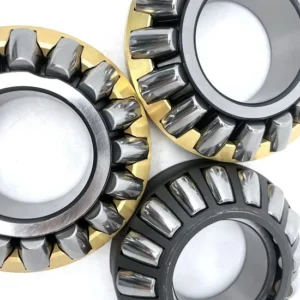
Thrust Roller Bearing

9069280 9069268 9069272 9069330 9069376 Thrust Roller Bearing — engineered for automotive steering systems with P0 to P2 precision classes.
Cross-Reference Alignment Verified — Matching base steering numbers alongside cage material and precision specs prevents thermal binding in heavy vehicle steering gears.
| Parameter | Value |
|---|---|
| Designation | 9069280 9069268 9069272 9069330 9069376 |
| Bearing Type | Thrust Roller Bearing |
| Cage Material | Available in steel, copper, or nylon variants |
| Number of Rows | Single Row |
| Seal or Shield Type | Zz, RS, or Open configurations |
| Vibration Level | Z1V1, Z2V2, Z3V3, Z4V4 |
| Precision Class | P0, P6, P5, P4, P2 |
| Lubrication | Grease or Oil |
| Origin | Shandong, China |
| Industry | Typical Applications |
|---|---|
| Automotive Manufacturing | Steering gear assemblies for passenger and commercial vehicles |
| Heavy Vehicle Repair | Steering mechanism rebuilds for trucks and off-highway equipment |
| Commercial Fleet MRO | Replacement of worn thrust components in steering columns |
Sourcing an exact-match 9069280 9069268 9069272 9069330 9069376 thrust roller bearing for steering systems eliminates the hidden risk of cage fragmentation under high thermal loads.
I have inspected multiple heavy vehicle steering columns in the Middle East where the steel gears were perfectly intact, but the thrust bearing cage had shattered into metallic debris. This catastrophic failure usually traces back to cross-reference errors where the base steering number matched, but the internal cage material or precision suffix was overlooked. When a standard industrial thrust bearing is forced into a steering gear, the localized friction and heat rapidly degrade the cage, leading to sudden direction lockup [NEED_CITE: rolling bearing failure mode classification per ISO 15243]. Relying on a verified 9069280 9069268 9069272 9069330 9069376 thrust roller bearing for steering systems ensures the internal geometry and material tolerances are specifically calibrated for automotive steering loads.
Selecting the correct 9069280 9069268 9069272 9069330 9069376 thrust roller bearing for steering systems requires looking beyond the basic part number to evaluate how the component handles axial steering forces. Our technical review process verifies that the selected cage material and precision class align with the specific friction and thermal requirements of the target steering gear. By cross-referencing the exact OEM equipment parameters, we ensure the bearing delivers smooth operation without the premature wear typically caused by mismatched internal clearances.
Steering mechanisms operate in harsh environments where road debris, moisture, and extreme undercarriage temperatures constantly threaten component integrity. The axial loads generated during tight turns create significant friction, demanding a lubrication strategy and seal configuration that can withstand elevated temperatures without breaking down. If the seal type fails to block fine desert sand or road salt, the abrasive particles infiltrate the rolling elements, accelerating wear and causing noisy steering operation [NEED_CITE: bearing contamination and fatigue life reduction per ISO 281]. Properly matching the shield or seal variant to the specific operating environment is critical for maintaining steering comfort and preventing moisture-induced corrosion on the raceways.
The internal configuration of these steering thrust bearings dictates their performance under dynamic automotive loads. The cage material is available in steel, copper, or nylon variants, each serving distinct operational needs; copper cages offer superior heat dissipation for heavy-duty steering mechanisms, while nylon variants reduce operational noise and weight for passenger vehicles. Precision classes ranging from P0 up to P2 ensure tight dimensional control, which is vital for eliminating play and vibration in modern steering columns. Furthermore, selecting the appropriate vibration grading, up to Z4V4, guarantees the low-noise performance expected in contemporary automotive cabins, while the choice between Zz, RS, or Open configurations dictates the level of protection against undercarriage contamination.
Installing a thrust bearing that only matches the base designation while ignoring critical internal specifications leads to severe operational consequences. A mismatched cage material or incorrect precision class causes excessive friction, resulting in unplanned downtime and premature failure of the entire steering gear assembly. In extreme cases, cage fragmentation causes catastrophic damage to the steering column, creating severe safety hazards and leading to immediate warranty voidance for the repair facility [NEED_CITE: mechanical failure consequences in automotive steering systems].
Procuring these specific steering designations requires a supplier who understands that a matching base number is only the first step in the verification process. We prioritize cross-referencing the exact cage material and precision suffix to prevent the thermal binding that plagues generic replacements. Every batch we supply features full traceability to the manufacturer, ensuring you receive components engineered specifically for automotive steering rather than repurposed industrial parts. Our technical team reviews your application parameters to confirm the seal type and lubrication compatibility, eliminating the guesswork from critical MRO sourcing.
To ensure the selected thrust bearing perfectly matches your steering gear requirements, please provide the specific OEM equipment number or the exact operating parameters. Sharing details regarding the axial loads, operating temperatures, and exposure to contaminants allows our engineering team to verify the optimal cage material and seal configuration. This technical review guarantees the proposed component will deliver reliable performance and extended service life in your specific automotive application.
Q: How do I cross-reference steering thrust bearings to avoid cage material mismatches?
A: Never rely solely on the base steering designation. You must verify the exact cage material, precision class, and seal configuration required by the original equipment manufacturer. A generic thrust bearing might share the same outer dimensions but fail rapidly under steering loads if the internal cage cannot handle the specific friction and thermal demands of the automotive gear assembly.
Q: What are the differences between steel, copper, and nylon cages in steering systems?
A: Steel cages offer high structural strength for heavy-duty commercial vehicle steering mechanisms. Copper cages provide superior thermal conductivity, dissipating heat effectively in high-load applications where temperatures rise significantly. Nylon cages are notably lighter and reduce operational noise, making them ideal for passenger vehicle steering gears where cabin comfort and low vibration are primary engineering priorities.
Q: How do precision classes affect steering gear assembly and performance?
A: Higher precision classes like P4 or P2 ensure extremely tight dimensional tolerances, which minimizes axial play and vibration within the steering column. Using a standard P0 precision bearing in a mechanism designed for P2 tolerances can result in noticeable steering wheel vibration, uneven load distribution across the rolling elements, and accelerated wear of the steering gear mating surfaces.
Q: Which seal type is recommended for steering systems exposed to road debris?
A: For steering mechanisms exposed to moisture and road debris, RS (rubber seal) configurations provide excellent contact sealing to block fine contaminants. Zz (metal shield) variants offer lower friction and are suitable for environments where large debris is a concern but extreme fine dust is less prevalent. Open configurations require robust external housing seals and regular lubrication maintenance.
Q: How can I verify the authenticity and batch origin of OEM steering bearings?
A: Authentic steering thrust bearings should include comprehensive documentation, including a Certificate of Conformity and a material test report. We provide full batch traceability and official app QR verification for every component, allowing you to scan the packaging and confirm the exact manufacturing origin, ensuring the bearing meets the strict metallurgical standards required for safe automotive steering operation.
Our engineers will respond within 12 hours with a tailored solution.
Request Quote| Bearing Type | Thrust Roller Bearing |
| Brand | SKF |
| Quality Standard | ISO 9001 / TS 16949 |
| Precision Grade | P0 / P5 / P6 (custom) |
| Material | Chrome Steel / Stainless |
| Cage Material | Steel / Brass / Polyamide |
| Lubrication | Grease / Oil (specify) |
| Operating Temp. | -40°C to +200°C |
| Min. Order Qty | 1 pc (samples available) |
| Prototype Lead Time | 7 Working Days |
| Load Capacity | Contact for C0/Cr values |
| Speed Rating | Contact for ndm limit |
| Vibration Level | Z1 / Z2 / Z3 (custom) |
| Noise Level | V1 / V2 / V3 (custom) |
| Fatigue Life | L10h per ISO 281 |
| Sealing Options | Open / Z / 2Z / RS / 2RS |
Our engineering team can modify bearing dimensions, materials, seals, and clearances to meet your specific operating requirements. Submit your drawing or spec sheet for a tailored proposal.
Main shaft bearings, gearbox bearings, and generator bearings for onshore and offshore wind turbines.
Heavy-duty bearings for crushers, conveyors, and rotary equipment in extreme dust and shock-load environments.
High-temperature bearings for rolling mills, continuous casting, and furnace applications.
Wheel hub bearings, transmission bearings, and e-motor bearings for passenger and commercial vehicles.
Axle box bearings, traction motor bearings, and gearbox bearings meeting EN/UIC railway standards.
High-precision spindle bearings, angular contact bearings, and super-precision bearings for CNC and robotics.
Our engineers analyze your operating conditions -- load, speed, temperature, environment -- and select or design the optimal bearing solution to maximize service life and reduce total cost of ownership.
Need non-standard dimensions, special materials, or modified clearances? We can modify standard SKF bearings or manufacture fully custom solutions with a 7-day prototype turnaround.
When bearings fail prematurely, our team conducts root-cause analysis using advanced diagnostic tools to identify the failure mode and recommend corrective action.
We deploy vibration monitoring, thermal imaging, and oil analysis programs that detect bearing deterioration early -- reducing unplanned downtime by up to 40%.
Proper installation is critical to bearing performance. Our certified technicians provide on-site installation support, alignment verification, and operator training worldwide.
From initial selection through end-of-life, our dedicated account managers provide scheduled maintenance plans, re-lubrication programs, and replacement forecasting for enterprise clients.
NDA protected · Free samples for orders > $50K · Reply within 12 hours