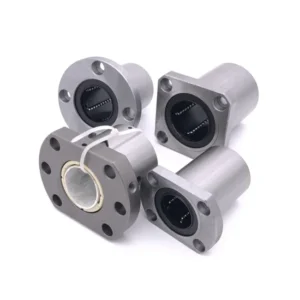
![Xinsheng LM8SUU Linear Bearing for Industrial Robots & Precision Tools [WARN] draft identifier mismatch](https://skfip.com/wp-content/uploads/2026/09/xinsheng-lm8suu-linear-bearing-for-industrial-robots-precision-tools-warn-draft-identifier-mismatch-4f4bf9.avif)
![X&S LM10UU LMK30UU KH1630 LME16UU Linear Ball Bearing for Cutting Equipment [WARN] draft identifier mismatch](https://skfip.com/wp-content/uploads/2026/09/xs-lm10uu-lmk30uu-kh1630-lme16uu-linear-ball-bearing-for-cutting-equipment-warn-draft-identifier-mismatch-30464f.avif)
ISO 9001 Certified
TS 16949
Genuine SKF
Need Technical Advice?
Reply within 12 hours · 15+ certified engineers on call
Linear Bearing
X&S LM10UU LMK30UU KH1630 LME16UU Linear Ball Bearing for Cutting Equipment [WARN] draft identifier mismatch
X&S LM10UU LMK30UU KH1630 LME16UU Linear Bearings — bearing steel construction for automatic cutting equipment.
- UU dual-end seals retain lubrication and block contaminants
- K flanged and E metric variants ensure precise rail mounting
- Verify cross-reference alignment for shape, clearance, and precision suffixes before ordering.
7
Day Prototype
vs. 8-12 wks standard
50+
Countries Served
Global logistics network
12h
Quote Response
Expert engineers on call
Typical Applications
Wind Power
Mining
Steel & Metallurgy
Automotive / EV
Rail Transit
Precision Machinery
Genuine SKF Bearings
NDA Protected
Free Sample for Orders > $50K
Global Shipping
Product Details
Mixed-Brand Authorized Sourcing — Consolidate X&S linear motion components with other major international brands into a single verified shipment, eliminating multi-vendor coordination delays.
Technical Specifications
| Parameter | Value |
|---|---|
| Designation | LM10UU LMK30UU KH1630 LME16UU |
| Product Type | Linear Ball Bearing |
| Series | LM |
| Shape | Straight / Flanged Variants |
| Material Options | Bearing Steel, Stainless Steel, Ceramic Variants |
| Precision Class | P0, P5, P6 |
| Feature Options | Vacuum, Magnetically Compatible, Low/High Temperature, Corrosion Resistant, High Speed |
| Seal Type | Dual-End Seals (UU) |
| Certification | ISO9001, TS16949, CE |
| Customization | Flange Shape and Dimension Series Variants |
Application Suitability
| Industry | Typical Applications |
|---|---|
| Automated Fabrication | Automatic cutting equipment guide rails and gantry systems |
| Automotive Manufacturing | Auto parts assembly robotics and welding positioners |
| General Machinery | CNC router linear axes and precision measuring instruments |
Why Base Numbers Fail on Automatic Cutting Equipment
Matching the core designation while ignoring suffix variations guarantees assembly interference.
In the automated fabrication sector, a significant share of premature linear motion failures stems from cross-reference errors where the base number aligns but the flange geometry or sealing configuration differs. When sourcing an X&S LM10UU LMK30UU KH1630 LME16UU linear bearing, overlooking the distinction between a straight cylindrical outer ring and a flanged variant leads to immediate mounting conflicts. Furthermore, ignoring the specific sealing suffix in dusty cutting environments allows abrasive particulates to infiltrate the raceway, causing catastrophic rail scoring [NEED_CITE: rolling bearing failure mode classification per ISO 15243].
Aligning Motion Components with Cutting Dynamics
Selecting the correct X&S LM10UU LMK30UU KH1630 LME16UU linear bearing requires matching the specific load profile and environmental exposure of the cutting machinery. Our technical review process verifies that the chosen flange shape and sealing arrangement perfectly align with the OEM rail specifications, preventing the microscopic binding that ruins cut surface finishes.
Environmental Hazards in Fabrication Workshops
Cutting operations generate intense thermal fluctuations and heavy metallic dust, demanding rigorous contamination control. Standard open-type bearings rapidly ingest abrasive swarf, accelerating wear and increasing friction. Dual-end sealed configurations retain lubrication while blocking particulate ingress, though the resulting contact friction must be balanced against the machine’s high-speed reciprocating requirements to prevent thermal binding [NEED_CITE: contamination impact on linear bearing service life].
Decoding Suffixes and Precision Grades
The UU suffix confirms the presence of dual-end seals, a non-negotiable requirement for maintaining lubrication integrity in dusty workshops. The K and E suffixes dictate critical geometric differences, distinguishing standard straight profiles from specialized flanged or metric dimension variants that dictate mounting footprint. Selecting between P0, P5, and P6 precision classes directly governs the axial runout; while P0 suffices for general transport mechanisms, high-speed automatic cutting gantries demand P5 or P6 tolerances to eliminate chatter marks on the final workpiece.
The Hidden Costs of Incorrect Linear Guidance
Installing a dimensionally similar but geometrically mismatched linear block forces the recirculating balls to skew within the raceway, generating localized stress concentrations. This misalignment rapidly degrades the bearing steel, leading to unplanned downtime and catastrophic damage to the precision ground guide rails. According to ISO 15243 frameworks, such installation and selection errors manifest as severe surface smearing and premature spalling, entirely voiding equipment warranties [NEED_CITE: linear motion failure analysis per ISO 15243].
Engineering Verification for Linear Procurement
We prevent cross-reference errors by validating not just the base designation, but the exact flange geometry and sealing suffixes required by your specific cutting equipment. Every X&S LM10UU LMK30UU KH1630 LME16UU linear bearing shipped includes batch traceability to the manufacturer, ensuring you receive genuine components rather than visually identical clones with soft inner rings. Our application-based selection review confirms that the chosen precision class and material variant can withstand your specific operational speeds and thermal expansion parameters.
Documentation & Authenticity
- Certificate of Conformity validating the specific P5 or P6 precision grade for high-speed cutting axes.
- Batch and lot traceability linking each linear block directly to the X&S manufacturing run.
- QR verification via official brand applications to confirm authenticity before installation.
- Material test report confirming bearing steel or stainless steel variants for corrosive environments.
- Dimensional and running accuracy inspection report verifying flange tolerances and straightness.
Storage, Handling & Mounting
- Retain factory packaging until installation to protect the dual-end UU seals from workshop dust ingress.
- Handle P5 and P6 precision linear blocks with clean gloves to prevent corrosive sweat transfer to the bearing steel.
- Verify flange mounting hole alignment for K and E suffix variants before applying tightening torque.
- Avoid using carbon steel tools on stainless steel linear variants to prevent cross-contamination and surface rust.
- Ensure guide rails are perfectly parallel to prevent binding and premature ball recirculation fatigue.
Technical Review and Selection Guidance
To ensure optimal performance, provide your equipment’s specific radial and axial load profiles, maximum traversing speeds, and operational temperature ranges. Sharing the exact OEM equipment number or original guide rail specifications allows our engineering team to perform a comprehensive cross-reference review, confirming the precise flange geometry and sealing requirements for your application.
Frequently Asked Questions
Q: Why do identical base numbers cause installation failures in linear systems?
A: Base numbers only define the core dimensional envelope. Suffixes like K or E indicate critical variations in flange shapes, mounting hole patterns, and metric dimension series. Ignoring these suffixes during cross-referencing results in physical interference with the machine housing or misalignment on the guide rail, leading to immediate binding and accelerated wear.
Q: How do UU seals protect linear bearings in cutting applications?
A: The UU suffix designates dual-end seals that retain internal lubrication while actively excluding metallic dust and abrasive coolant particulates generated during cutting. This barrier prevents raceway scoring and ball skidding, which are primary causes of premature failure in unmaintained fabrication environments, ensuring smooth reciprocating motion over extended service intervals.
Q: Which precision class is required for automatic cutting equipment?
A: While P0 is acceptable for general material handling, automatic cutting gantries require P5 or P6 precision classes to minimize axial runout and carriage play. Higher precision ensures the cutting tool maintains strict dimensional tolerances, eliminating chatter marks and surface roughness on the finished workpiece during high-speed directional reversals.
Q: How are material variants selected for harsh fabrication environments?
A: Standard bearing steel suits general indoor machinery, but environments with high humidity, coolant exposure, or vacuum requirements necessitate stainless steel or ceramic variants. These material options provide substantially higher corrosion resistance and thermal stability, preventing surface degradation that would otherwise compromise the recirculating ball mechanism and destroy the linear guide.
Product Summary
- Product Name
- X&S LM10UU LMK30UU KH1630 LME16UU Linear Ball Bearing for Cutting Equipment [WARN] draft identifier mismatch
- Category
- Linear Bearing
- Brand
- SKF
- Certification
- ISO 9001 · TS 16949
- Lead Time
- 7 Working Days
Get a Custom Quote
Our engineers will respond within 12 hours with a tailored solution.
Request QuoteGeneral Specifications
| Bearing Type | Linear Bearing |
| Brand | SKF |
| Quality Standard | ISO 9001 / TS 16949 |
| Precision Grade | P0 / P5 / P6 (custom) |
| Material | Chrome Steel / Stainless |
| Cage Material | Steel / Brass / Polyamide |
| Lubrication | Grease / Oil (specify) |
| Operating Temp. | -40°C to +200°C |
| Min. Order Qty | 1 pc (samples available) |
| Prototype Lead Time | 7 Working Days |
Performance Parameters
| Load Capacity | Contact for C0/Cr values |
| Speed Rating | Contact for ndm limit |
| Vibration Level | Z1 / Z2 / Z3 (custom) |
| Noise Level | V1 / V2 / V3 (custom) |
| Fatigue Life | L10h per ISO 281 |
| Sealing Options | Open / Z / 2Z / RS / 2RS |
Custom Specifications Available
Our engineering team can modify bearing dimensions, materials, seals, and clearances to meet your specific operating requirements. Submit your drawing or spec sheet for a tailored proposal.
Wind Power
Main shaft bearings, gearbox bearings, and generator bearings for onshore and offshore wind turbines.
Mining & Quarrying
Heavy-duty bearings for crushers, conveyors, and rotary equipment in extreme dust and shock-load environments.
Steel & Metallurgy
High-temperature bearings for rolling mills, continuous casting, and furnace applications.
Automotive / EV
Wheel hub bearings, transmission bearings, and e-motor bearings for passenger and commercial vehicles.
Rail Transit
Axle box bearings, traction motor bearings, and gearbox bearings meeting EN/UIC railway standards.
Precision Machinery
High-precision spindle bearings, angular contact bearings, and super-precision bearings for CNC and robotics.
Application Design
EngineeringOur engineers analyze your operating conditions -- load, speed, temperature, environment -- and select or design the optimal bearing solution to maximize service life and reduce total cost of ownership.
Custom Modification
7-Day TurnaroundNeed non-standard dimensions, special materials, or modified clearances? We can modify standard SKF bearings or manufacture fully custom solutions with a 7-day prototype turnaround.
Failure Analysis
DiagnosticsWhen bearings fail prematurely, our team conducts root-cause analysis using advanced diagnostic tools to identify the failure mode and recommend corrective action.
Predictive Maintenance
Up to 40% Less DowntimeWe deploy vibration monitoring, thermal imaging, and oil analysis programs that detect bearing deterioration early -- reducing unplanned downtime by up to 40%.
On-site Installation
Global CoverageProper installation is critical to bearing performance. Our certified technicians provide on-site installation support, alignment verification, and operator training worldwide.
Lifecycle Support
Enterprise SLAFrom initial selection through end-of-life, our dedicated account managers provide scheduled maintenance plans, re-lubrication programs, and replacement forecasting for enterprise clients.
Why SKF China
The engineering partner advantage
7 Days
Prototype Lead Time
vs. 8-12 weeks via standard channels
15+
Certified Engineers
SKF-certified, on-call for your project
50+
Countries Delivered
Reliable global logistics network
Request a Quote
Get a custom quote for
X&S LM10UU LMK30UU KH1630 LME16UU Linear Ball Bearing for Cutting Equipment [WARN] draft identifier mismatch
NDA protected · Free samples for orders > $50K · Reply within 12 hours
Related Products
More Linear Bearing Products