ISO 9001 Certified
TS 16949
Genuine SKF
Need Technical Advice?
Reply within 12 hours · 15+ certified engineers on call
Sliding Block Guide
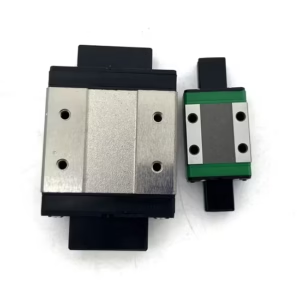
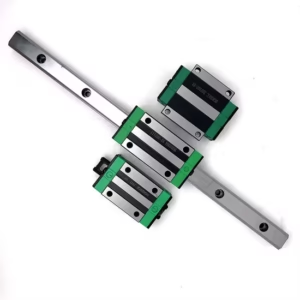
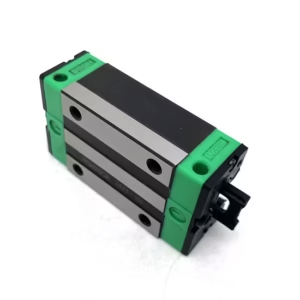
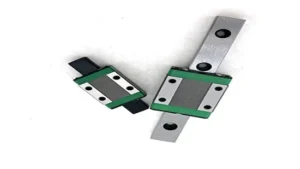
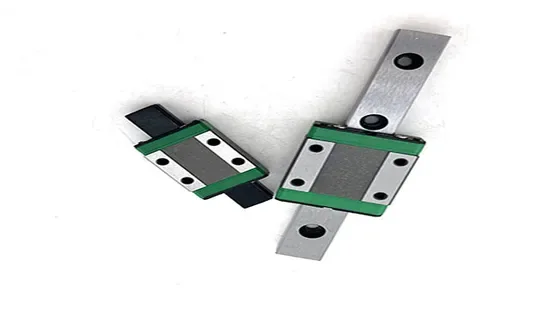
Sliding Block Guide Mgn 9c 9h 12c 12h 15h Mgw 2c Scv12 13 16 for Measurement System
Measurement System Sliding Block Guide with Polished Bearing Steel Profile — CE-certified linear motion components featuring high corrosion resistance and solid construction for precision automation environments.
- Engineered for high-speed travel with grease or oil lubrication flexibility to match varying maintenance requirements.
- Every shipment provides complete batch and lot traceability back to the original manufacturer for verified component authenticity.
7
Day Prototype
vs. 8-12 wks standard
50+
Countries Served
Global logistics network
12h
Quote Response
Expert engineers on call
Typical Applications
Wind Power
Mining
Steel & Metallurgy
Automotive / EV
Rail Transit
Precision Machinery
Genuine SKF Bearings
NDA Protected
Free Sample for Orders > $50K
Global Shipping
Product Details
Verified Authenticity Guaranteed — Scan the QR code via official brand applications to confirm batch traceability for every linear guide component.
Technical Specifications
| Parameter | Value |
|---|---|
| Product Type | Linear Guide Sliding Block |
| Material Options | Bearing steel or stainless variants |
| Profile Type | Solid profile |
| Surface Treatment | Polished |
| Corrosion Resistance | High corrosion resistance |
| Lubrication Compatibility | Grease or oil |
| Rows Number | Single row arrangement |
| Certification | CE |
| Customization | Standard or customized lengths |
Application Suitability
| Industry | Typical Applications |
|---|---|
| Precision Metrology | Coordinate measuring machine axes and optical inspection gantries |
| Automated Manufacturing | High-speed pick-and-place modules and laser positioning rigs |
| CNC Machining | Micro-milling traversing units and precision tool changer mechanisms |
Why Base Dimensions Deceive When Choosing a Measurement System Sliding Block Guide Supplier
True precision relies on internal preload matching, not just external envelope dimensions.
Sourcing linear motion components often involves the risk of cross-reference errors where base dimensions match but internal profile designs or clearance tolerances differ. In my years evaluating motion systems around Dongguan, I have seen standard blocks installed in high-rigidity metrology rigs, resulting in severe operational jitter and scrapped batches. A reliable measurement system sliding block guide supplier prevents these failures by verifying the exact preload class and rolling element sizing rather than relying solely on basic outline numbers [NEED_CITE: linear guide rigidity and preload classification principles].
Matching Block Architecture to Metrology Demands
Selecting the right component requires looking past the outer shell. As a specialized measurement system sliding block guide supplier, we review the specific dynamic loads and moment forces acting on the carriage. Whether the application demands the compact profile of an MGN series or the wider, higher-moment capacity of an MGW style, we ensure the internal raceway geometry aligns perfectly with the micron-level stability required by sensitive optical and probing equipment.
Navigating Speed, Friction, and Environmental Exposure
High-speed traversing in automated inspection generates localized heat, which can alter internal clearances and cause thermal binding if the initial preload is too aggressive. The polished solid profile minimizes friction, while the single-row architecture reduces the overall moving mass. Furthermore, exposure to coolants or humid testing environments necessitates high corrosion resistance to prevent microscopic pitting on the raceways, which would otherwise introduce unacceptable noise and vibration into the measurement data [NEED_CITE: effects of surface degradation on linear motion accuracy].
Decoding Material and Preload Options
The choice between standard bearing steel and stainless variants dictates the component’s lifespan in varying environments. Stainless options provide the necessary defense against corrosive agents without sacrificing core structural integrity, while bearing steel remains optimal for cleanroom or dry setups requiring maximum load capacity. Equally critical is the preload selection; light preloads suit high-speed, low-load scanning, whereas medium to heavy preloads are mandatory for rigid machining or heavy probing tasks to eliminate carriage deflection under load.
The Hidden Costs of Interchange Errors
Substituting a standard block for a high-precision variant might seem harmless until the machine is commissioned. The resulting positional deviation leads to unplanned downtime and catastrophic damage to delicate probing styli. According to failure analysis frameworks similar to ISO 15243, surface fatigue and premature wear accelerate rapidly when the guide block cannot dampen system vibrations adequately. This voids equipment warranties and forces complete realignment of the metrology setup [NEED_CITE: linear motion failure modes and vibration-induced surface fatigue].
Engineering Support Beyond the Catalog
We distinguish ourselves by scrutinizing the exact operating conditions before confirming any order. Mixed-brand requirements are handled seamlessly through our authorized network, ensuring uniform quality across an entire machine build. Our cross-referencing process validates not just the base number, but the specific seal friction, lubrication retention, and carriage length. Every shipment includes comprehensive documentation, eliminating the guesswork that plagues standard trading transactions.
Documentation & Authenticity
- CE compliance certificates validating structural safety for automated machinery.
- Batch traceability linking every solid profile block to its original production run.
- Official QR verification for instant authentication of bearing steel grades.
- Material test reports confirming high corrosion resistance properties.
- Dimensional inspection reports verifying carriage height and width tolerances.
Storage, Handling & Mounting Protocols
- Retain original vacuum packaging until installation to protect polished surfaces from ambient humidity.
- Use dedicated cleanroom gloves to prevent skin oils from degrading the high corrosion resistance treatment.
- Apply specified grease or oil immediately if the block is exposed during prolonged machine assembly.
- Avoid carbon steel tooling near stainless variants to prevent cross-contamination and localized rusting.
- Align single-row carriages carefully to prevent brinelling the raceway during press-fit mounting.
Defining Your Exact Motion Requirements
To ensure optimal performance, provide your equipment model, available mounting space, and specific load dynamics. Detailing the environmental exposure—such as coolant splash or temperature fluctuations—allows our engineering team to recommend the ideal material variant and preload class. This technical review guarantees the selected linear guide meets the strict stability demands of your application.
Frequently Asked Questions
Q: How do I determine the correct preload class for my inspection equipment?
A: Preload selection depends on the balance between rigidity and friction. High-rigidity probing requires heavier preload to resist deflection, while high-speed scanning benefits from lighter preload to reduce thermal buildup. Share your specific load and speed parameters so we can calculate the optimal internal clearance for your application.
Q: When should I choose stainless variants over standard bearing steel?
A: Stainless variants are essential when the guide operates in humid environments, washdown areas, or where corrosive cooling fluids are present. Standard bearing steel is preferable for clean, dry, or climate-controlled metrology labs where maximum load capacity and cost-efficiency are the primary concerns.
Q: What causes sudden jitter in a high-precision linear guide system?
A: Jitter often stems from cross-reference errors where the installed block lacks the correct internal preload or rolling element sizing for the application. It can also result from microscopic raceway damage caused by improper mounting techniques or inadequate lubrication during high-speed operation.
Q: Can I customize the carriage length for specialized automation rigs?
A: Yes, customized lengths are available to accommodate specific mounting hole patterns and moment load requirements. Providing your exact rail width and desired carriage footprint allows us to configure a solid profile block that maximizes rigidity without adding unnecessary moving mass to your gantry.
Product Summary
- Product Name
- Sliding Block Guide Mgn 9c 9h 12c 12h 15h Mgw 2c Scv12 13 16 for Measurement System
- Category
- Sliding Block Guide
- Brand
- SKF
- Certification
- ISO 9001 · TS 16949
- Lead Time
- 7 Working Days
Get a Custom Quote
Our engineers will respond within 12 hours with a tailored solution.
Request QuoteGeneral Specifications
| Bearing Type | Sliding Block Guide |
| Brand | SKF |
| Quality Standard | ISO 9001 / TS 16949 |
| Precision Grade | P0 / P5 / P6 (custom) |
| Material | Chrome Steel / Stainless |
| Cage Material | Steel / Brass / Polyamide |
| Lubrication | Grease / Oil (specify) |
| Operating Temp. | -40°C to +200°C |
| Min. Order Qty | 1 pc (samples available) |
| Prototype Lead Time | 7 Working Days |
Performance Parameters
| Load Capacity | Contact for C0/Cr values |
| Speed Rating | Contact for ndm limit |
| Vibration Level | Z1 / Z2 / Z3 (custom) |
| Noise Level | V1 / V2 / V3 (custom) |
| Fatigue Life | L10h per ISO 281 |
| Sealing Options | Open / Z / 2Z / RS / 2RS |
Custom Specifications Available
Our engineering team can modify bearing dimensions, materials, seals, and clearances to meet your specific operating requirements. Submit your drawing or spec sheet for a tailored proposal.
Wind Power
Main shaft bearings, gearbox bearings, and generator bearings for onshore and offshore wind turbines.
Mining & Quarrying
Heavy-duty bearings for crushers, conveyors, and rotary equipment in extreme dust and shock-load environments.
Steel & Metallurgy
High-temperature bearings for rolling mills, continuous casting, and furnace applications.
Automotive / EV
Wheel hub bearings, transmission bearings, and e-motor bearings for passenger and commercial vehicles.
Rail Transit
Axle box bearings, traction motor bearings, and gearbox bearings meeting EN/UIC railway standards.
Precision Machinery
High-precision spindle bearings, angular contact bearings, and super-precision bearings for CNC and robotics.
Application Design
EngineeringOur engineers analyze your operating conditions -- load, speed, temperature, environment -- and select or design the optimal bearing solution to maximize service life and reduce total cost of ownership.
Custom Modification
7-Day TurnaroundNeed non-standard dimensions, special materials, or modified clearances? We can modify standard SKF bearings or manufacture fully custom solutions with a 7-day prototype turnaround.
Failure Analysis
DiagnosticsWhen bearings fail prematurely, our team conducts root-cause analysis using advanced diagnostic tools to identify the failure mode and recommend corrective action.
Predictive Maintenance
Up to 40% Less DowntimeWe deploy vibration monitoring, thermal imaging, and oil analysis programs that detect bearing deterioration early -- reducing unplanned downtime by up to 40%.
On-site Installation
Global CoverageProper installation is critical to bearing performance. Our certified technicians provide on-site installation support, alignment verification, and operator training worldwide.
Lifecycle Support
Enterprise SLAFrom initial selection through end-of-life, our dedicated account managers provide scheduled maintenance plans, re-lubrication programs, and replacement forecasting for enterprise clients.
Why SKF China
The engineering partner advantage
7 Days
Prototype Lead Time
vs. 8-12 weeks via standard channels
15+
Certified Engineers
SKF-certified, on-call for your project
50+
Countries Delivered
Reliable global logistics network
Request a Quote
Get a custom quote for
Sliding Block Guide Mgn 9c 9h 12c 12h 15h Mgw 2c Scv12 13 16 for Measurement System
NDA protected · Free samples for orders > $50K · Reply within 12 hours
Related Products
More Sliding Block Guide Products