ISO 9001 Certified
TS 16949
Genuine SKF
Need Technical Advice?
Reply within 12 hours · 15+ certified engineers on call
Linear Bearing
LMK5LUU LMK6LUU Low Friction Flange Linear Bearing for Card Sorting Machine
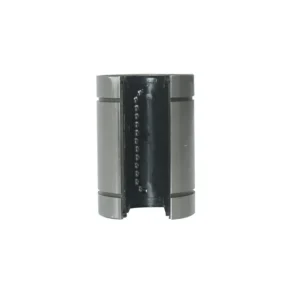
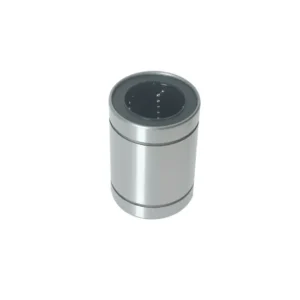
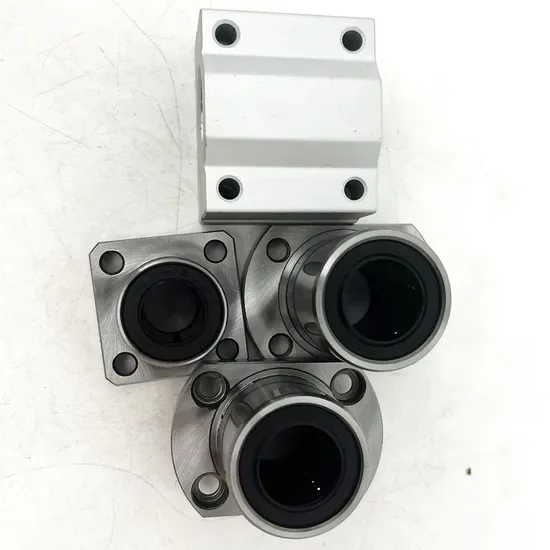
LMK5LUU LMK6LUU Circular Flange Linear Bearing
- Constructed from bearing steel with HRC58-62 hardness for reliable wear resistance in card sorting machines.
- Circular flange profile enables secure installation in compact automation equipment while accommodating grease or oil lubrication. Every order ships with a complete documentation package, including material test reports and dimensional inspection certificates for exact integration.
7
Day Prototype
vs. 8-12 wks standard
50+
Countries Served
Global logistics network
12h
Quote Response
Expert engineers on call
Typical Applications
Wind Power
Mining
Steel & Metallurgy
Automotive / EV
Rail Transit
Precision Machinery
Genuine SKF Bearings
NDA Protected
Free Sample for Orders > $50K
Global Shipping
Product Details
Cross-Reference Alignment — verifying flange shape, length suffix, and seal type prevents binding in high-speed sorting tracks.
Technical Specifications
| Parameter | Value |
|---|---|
| Designation | LMK5LUU LMK6LUU |
| Product Type | Linear Bearing |
| Flange Shape | Circular |
| Shape | Straight |
| Series | LM |
| Material | Bearing Steel or Others |
| Lubrication | Grease or Oil |
| Hardness | HRC58-62 [NEED_CITE:] |
| Certification | CE |
| Origin | Shandong, China |
Note: Suffixes LM, K, L, and UU are unverified and require manufacturer catalog confirmation for exact dimensional interpretation.
Application Suitability
| Industry | Typical Applications |
|---|---|
| Automation Equipment | Card sorting machine carriage guides |
| Material Handling | Automated storage and retrieval system shuttles |
| Packaging Machinery | High-speed pick-and-place linear actuators |
| General MRO | Replacement linear motion modules for CNC tool changers |
Why Flange Tolerances Dictate Sorting Speed
Base number matches do not guarantee smooth travel if the housing bore ignores the flange thickness.
During my transition from factory procurement to trading in Shenzhen, I dealt with a card sorting machine that suffered from severe linear motion stuttering and sharp acoustic noise. The root cause was not a defective LMK5LUU LMK6LUU linear bearing, but an improper tolerance fit in the flange seat hole. When the housing bore is machined too tight, the circular flange distorts the straight outer cylinder upon bolting, transferring stress directly to the recirculating balls. This microscopic deformation destroys the low-friction environment, leading to premature track wear and unpredictable jamming [NEED_CITE: linear motion system failure modes]. Procurement engineers often focus solely on the shaft diameter, overlooking how the mounting interface dictates the actual running accuracy of the entire assembly.
Matching the Guide to the Automation Cycle
Selecting the right LMK5LUU LMK6LUU linear bearing requires looking beyond the catalog load ratings to the actual dynamic behavior of the automation equipment. In high-speed card sorting, the carriage undergoes rapid acceleration and deceleration, generating momentary shock loads that demand high rigidity from both the bearing and the mounting block. Our technical review process evaluates the specific stroke length and acceleration profile to ensure the selected flange configuration provides adequate support without introducing unnecessary mass. By aligning the component’s structural characteristics with the machine’s kinematic demands, we help system integrators achieve consistent positional accuracy and eliminate the micro-vibrations that degrade sorting reliability.
Overcoming Contamination and Alignment Drift
The operating environment inside a mailroom or logistics hub introduces unique challenges for linear motion components. Paper dust, cardboard fibers, and microscopic debris constantly threaten to infiltrate the rolling elements, increasing friction and accelerating wear. Effective sealing is critical, but contact seals inherently generate drag, which can compromise the delicate force control required for handling lightweight items. Furthermore, thermal fluctuations in the facility can cause the aluminum mounting blocks and steel shafts to expand at different rates. If the design does not account for this differential thermal expansion, the resulting misalignment will force the bearing to bind, drastically increasing the drive motor’s power consumption and generating excess heat [NEED_CITE: thermal expansion effects on linear guides].
Decoding the Geometry and Surface Integrity
The circular flange design integral to this series provides a robust mounting interface, distributing the clamping force evenly around the circumference to minimize housing distortion. The straight outer cylinder relies on the precise grinding of the raceways to ensure smooth ball recirculation. Achieving the specified HRC58-62 hardness on these load-bearing surfaces is essential for resisting the brinelling effect caused by stationary loads or shock impacts during emergency stops. The availability of different material options allows engineers to balance cost and performance; while standard bearing steel offers excellent load capacity for general automation, alternative materials can be specified for environments requiring enhanced corrosion resistance. Proper lubrication, whether grease or oil, must be matched to the operating speed to maintain a sufficient elastohydrodynamic film between the balls and the raceway.
The Hidden Toll of Improper Housing Fits
Ignoring the precise machining requirements for the flange seat leads to a cascade of operational failures that extend far beyond the bearing itself. A distorted outer tube forces the recirculating balls to skid rather than roll, rapidly degrading the raceway surface and generating metallic debris that contaminates the entire linear block. This localized failure often manifests as intermittent positioning errors in the sorting machine, causing misrouted packages and triggering false fault alarms. According to failure analysis frameworks like ISO 15243, such surface distress is frequently misdiagnosed as a material defect rather than an installation error [NEED_CITE: rolling bearing damage classification per ISO 15243]. Ultimately, this results in unplanned downtime, voided equipment warranties, and the catastrophic damage of the precision ground shafts.
Securing Accuracy Through Technical Verification
Sourcing linear motion components requires more than just matching a part number; it demands rigorous verification of the physical and geometric attributes. We focus heavily on the cross-reference alignment, ensuring that the flange thickness, bolt circle diameter, and overall length perfectly match the original equipment specifications to prevent installation stress. Our documentation process includes verifying the dimensional and running accuracy inspection reports, confirming that the straightness and cylindrical tolerance of the outer shell meet the stringent demands of high-speed automation. Furthermore, we provide batch traceability for the raw materials, ensuring that the hardness and metallurgical integrity of the load-bearing surfaces are fully documented. This comprehensive technical oversight eliminates the guesswork and prevents the costly field failures associated with visually identical but dimensionally divergent replacements.
Documentation & Authenticity
- Certificate of Conformity validating the CE marking for automated machinery integration.
- Batch and lot traceability linking the specific linear blocks to their original heat treatment records.
- Dimensional and running accuracy inspection report confirming outer cylinder straightness and flange perpendicularity.
- Material test report verifying the HRC58-62 surface hardness of the bearing steel raceways.
- Country-of-origin documentation supporting transparent supply chain compliance for international MRO projects.
Storage, Handling & Mounting
- Retain original vacuum packaging until installation to prevent paper dust from compromising the factory-applied grease.
- Verify the flange seat hole tolerance with a bore gauge before pressing the straight cylinder into the housing.
- Use calibrated torque wrenches for the circular flange bolts to prevent asymmetric clamping forces from distorting the outer tube.
- Align the shaft and housing using a dial indicator to ensure parallelism before finalizing the mounting block position.
- Apply clean lint-free gloves during handling to prevent acidic skin oils from initiating corrosion on the precision-ground surfaces.
Engineering Support for Motion Systems
To ensure the selected linear components integrate flawlessly into your automation architecture, please provide the detailed kinematic parameters of your application. Sharing the specific radial and axial loads, maximum travel speed, and acceleration profiles allows our engineering team to validate the dynamic capacity and confirm the appropriate lubrication strategy. If you are replacing an existing unit, providing the original equipment manufacturer’s drawing or the exact housing dimensions enables us to perform a precise cross-reference check. This technical collaboration ensures that the final selection addresses the specific tolerance and rigidity requirements of your card sorting or material handling system.
Frequently Asked Questions
Q: How do flange tolerances affect the performance of linear bearings in sorting machines?
A: If the housing bore for the circular flange is machined too tightly, the clamping force will distort the straight outer cylinder of the bearing. This microscopic deformation transfers stress to the recirculating balls, destroying the low-friction environment and causing severe linear motion stuttering, sharp acoustic noise, and premature track wear during high-speed operation.
Q: What should be verified when cross-referencing linear bearings for automation equipment?
A: Beyond matching the base designation, it is critical to verify the flange shape, bolt circle diameter, overall length, and seal type. Overlooking these physical dimensions often results in a component that fits the shaft but introduces installation stress or fails to align properly within the existing mounting block, leading to binding.
Q: How does the operating environment influence the sealing and lubrication selection?
A: In environments with heavy paper dust or cardboard fibers, effective sealing is necessary to prevent contamination of the rolling elements. However, contact seals generate drag. Engineers must balance the need for pollution protection with the low-friction requirements of the specific application, selecting the appropriate grease or oil to maintain the lubricating film.
Q: Why is surface hardness critical for linear motion components in pick-and-place applications?
A: The load-bearing surfaces must achieve high hardness to resist brinelling, which is the permanent indentation caused by shock loads or stationary pressures during emergency stops. Maintaining this surface integrity ensures smooth ball recirculation and prevents the generation of metallic debris that could compromise the entire linear motion system.
Product Summary
- Product Name
- LMK5LUU LMK6LUU Low Friction Flange Linear Bearing for Card Sorting Machine
- Category
- Linear Bearing
- Brand
- SKF
- Certification
- ISO 9001 · TS 16949
- Lead Time
- 7 Working Days
Get a Custom Quote
Our engineers will respond within 12 hours with a tailored solution.
Request QuoteGeneral Specifications
| Bearing Type | Linear Bearing |
| Brand | SKF |
| Quality Standard | ISO 9001 / TS 16949 |
| Precision Grade | P0 / P5 / P6 (custom) |
| Material | Chrome Steel / Stainless |
| Cage Material | Steel / Brass / Polyamide |
| Lubrication | Grease / Oil (specify) |
| Operating Temp. | -40°C to +200°C |
| Min. Order Qty | 1 pc (samples available) |
| Prototype Lead Time | 7 Working Days |
Performance Parameters
| Load Capacity | Contact for C0/Cr values |
| Speed Rating | Contact for ndm limit |
| Vibration Level | Z1 / Z2 / Z3 (custom) |
| Noise Level | V1 / V2 / V3 (custom) |
| Fatigue Life | L10h per ISO 281 |
| Sealing Options | Open / Z / 2Z / RS / 2RS |
Custom Specifications Available
Our engineering team can modify bearing dimensions, materials, seals, and clearances to meet your specific operating requirements. Submit your drawing or spec sheet for a tailored proposal.
Wind Power
Main shaft bearings, gearbox bearings, and generator bearings for onshore and offshore wind turbines.
Mining & Quarrying
Heavy-duty bearings for crushers, conveyors, and rotary equipment in extreme dust and shock-load environments.
Steel & Metallurgy
High-temperature bearings for rolling mills, continuous casting, and furnace applications.
Automotive / EV
Wheel hub bearings, transmission bearings, and e-motor bearings for passenger and commercial vehicles.
Rail Transit
Axle box bearings, traction motor bearings, and gearbox bearings meeting EN/UIC railway standards.
Precision Machinery
High-precision spindle bearings, angular contact bearings, and super-precision bearings for CNC and robotics.
Application Design
EngineeringOur engineers analyze your operating conditions -- load, speed, temperature, environment -- and select or design the optimal bearing solution to maximize service life and reduce total cost of ownership.
Custom Modification
7-Day TurnaroundNeed non-standard dimensions, special materials, or modified clearances? We can modify standard SKF bearings or manufacture fully custom solutions with a 7-day prototype turnaround.
Failure Analysis
DiagnosticsWhen bearings fail prematurely, our team conducts root-cause analysis using advanced diagnostic tools to identify the failure mode and recommend corrective action.
Predictive Maintenance
Up to 40% Less DowntimeWe deploy vibration monitoring, thermal imaging, and oil analysis programs that detect bearing deterioration early -- reducing unplanned downtime by up to 40%.
On-site Installation
Global CoverageProper installation is critical to bearing performance. Our certified technicians provide on-site installation support, alignment verification, and operator training worldwide.
Lifecycle Support
Enterprise SLAFrom initial selection through end-of-life, our dedicated account managers provide scheduled maintenance plans, re-lubrication programs, and replacement forecasting for enterprise clients.
Why SKF China
The engineering partner advantage
7 Days
Prototype Lead Time
vs. 8-12 weeks via standard channels
15+
Certified Engineers
SKF-certified, on-call for your project
50+
Countries Delivered
Reliable global logistics network
Request a Quote
Get a custom quote for
LMK5LUU LMK6LUU Low Friction Flange Linear Bearing for Card Sorting Machine
NDA protected · Free samples for orders > $50K · Reply within 12 hours
Related Products